Finding Calm in the Chaos: How Landscape Photography Heals the Mind
This reflection fits within the Creative Journey and Personal Growth series.
In our fast-paced, hyper-connected world, finding moments of calm can feel nearly impossible. Yet for many photographers, landscape photography offers more than just beautiful images—it provides a sanctuary for the mind, a chance to reconnect with nature, and an opportunity to reset emotionally.
Why Landscape Photography Feels Like Therapy
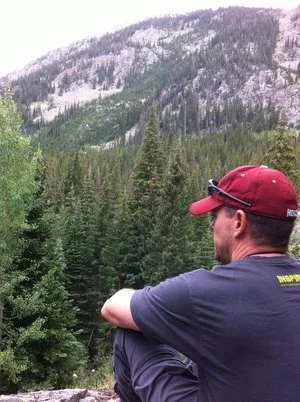
Landscape photography allows you to step away from daily stressors and immerse yourself in the rhythm of the natural world. Whether it’s the gentle rustle of leaves, the soft glow of dawn, or the vast openness of a mountain range, these moments create a space for reflection and emotional renewal.
Unlike other hobbies, photography encourages intentional presence. You’re not just walking through a scene—you’re observing light, textures, and movement. Your mind naturally slows down to focus on composition, framing, and timing. In that focus, stress fades, and a quiet sense of peace takes its place.
Sharing Your Emotional Journey Through Images
One of the most powerful ways to engage with your audience is by sharing not just the image, but the emotion it evokes. For instance, after a morning hike to a secluded lake, a photographer might post an image of the mist hovering over the water with a caption like:
> “This scene gave me a sense of calm I didn’t realize I needed today. The quiet stillness of the water was a reset button for my mind.”
You can invite your audience to join the conversation by asking:
> “What feeling do you chase when you head out with your camera?”
This simple question encourages followers to reflect on their own experiences and fosters connection around shared emotional experiences.
Mini-Series: Nature as Therapy
Consider creating a recurring series that focuses on the restorative power of nature. Each post could highlight a location that brought you peace or clarity, paired with a brief story about why it was meaningful. For example:
A sunset on a quiet beach that helped you process a difficult week.
A foggy forest hike that allowed your mind to reset and think clearly.
A mountaintop view that inspired awe and perspective.
Mental clarity often begins with mindset, discussed in Why Your First Will Always Be Bad.
Prompting your audience to share their own “reset spots” encourages discussion and creates a sense of community among photographers who often feel solitary in their pursuit.
Before & After: Capturing Mindset Shifts
Another engaging idea is to document not just the scene, but your emotional state before and after the shoot. Share a photo alongside a short reflection:
Before: Frustrated, distracted, or overwhelmed.
After: Calm, inspired, or recharged.
This type of vulnerability resonates deeply with followers. It’s not just about technical skill—it’s about the human experience behind each image.
Key Takeaways
Landscape photography is more than capturing a pretty picture—it’s a tool for emotional wellness. By sharing the feelings landscapes evoke, encouraging your audience to reflect on their own experiences, and creating recurring content that celebrates nature’s restorative power, you transform your photography into a conversation about mental clarity, peace, and belonging.
> “Where do you go when you need to reset?”
Inviting your audience to answer this question can spark meaningful dialogue and help you cultivate a community united by shared experiences and emotional connection.
Next in the series is Bridging the Gap Between What You Feel and What You Capture.
This article is part of Photographer’s Corner, a growing collection of essays on photography mindset, growth, storytelling, engagement, and sustainable creative business.