
BACK‍ ‍to Index

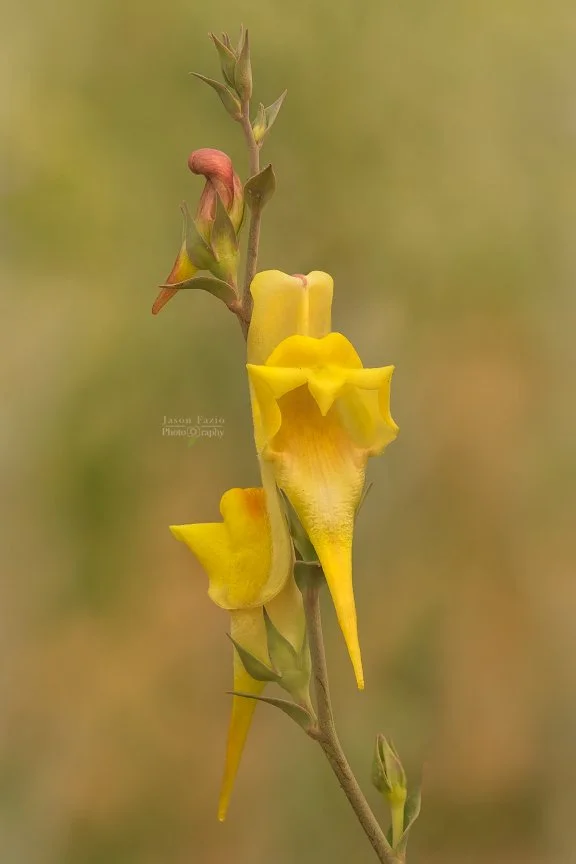
El Paso County Wildflower Project - Balkan Toadflax - Jason Fazio

Balkan Toadflax

Bloom Season: May - September

Habitat: you can find this invasive perennial thriving in semi-arid environments on coarse-textured, gravelly soils—particularly on roadsides, unmanaged lands, disturbed rangelands, and gravel pits.

Photography Notes: Photographer-friendly

Credits: Jason Fazio
Linaria dalmatica is a herbaceous, short-lived perennial plant in the family Plantaginaceae native to western Asia and southeastern Europe.[2] As with related species, it was formerly included in the family Scrophulariaceae (figwort) family. Its common names include Balkan toadflax, broadleaf toadflax, and Dalmatian toadflax.[2][3][1][4][5] The distribution of L. dalmatica to North America can be attributed to use as a fabric dye, folk remedies and as an ornamental plant. However, it is now classified as a weed in both Canada and the U.S.[4][6][7]

Linaria dalmatica was initially named Antirrhinum dalmaticum by Carl Linnaeus in 1753 and placed with the snapdragons in Antirrhinum. The botanist Philip Miller moved it to the genus Linaria in 1768, giving the species its accepted name. It has no accepted subspecies or botanical varieties, though several have been described that among its ten synonyms.[2] It is closely related to Linaria genistifolia, with which it may be conspecific.[3]


Image Credit: Coming Soon


Edit necessary? Contact me

BACK‍ ‍to Index

Balkan Toadflax (non-native)(Noxious Weed) is one of many wildflowers featured in the El Paso CO Wildflower Project, a community-built field guide documenting the wildflowers of El Paso County, Colorado.