One Flower. Six Apertures. A Completely Different Photograph.
One of the first settings photographers learn is aperture.
It's also one of the most powerful.
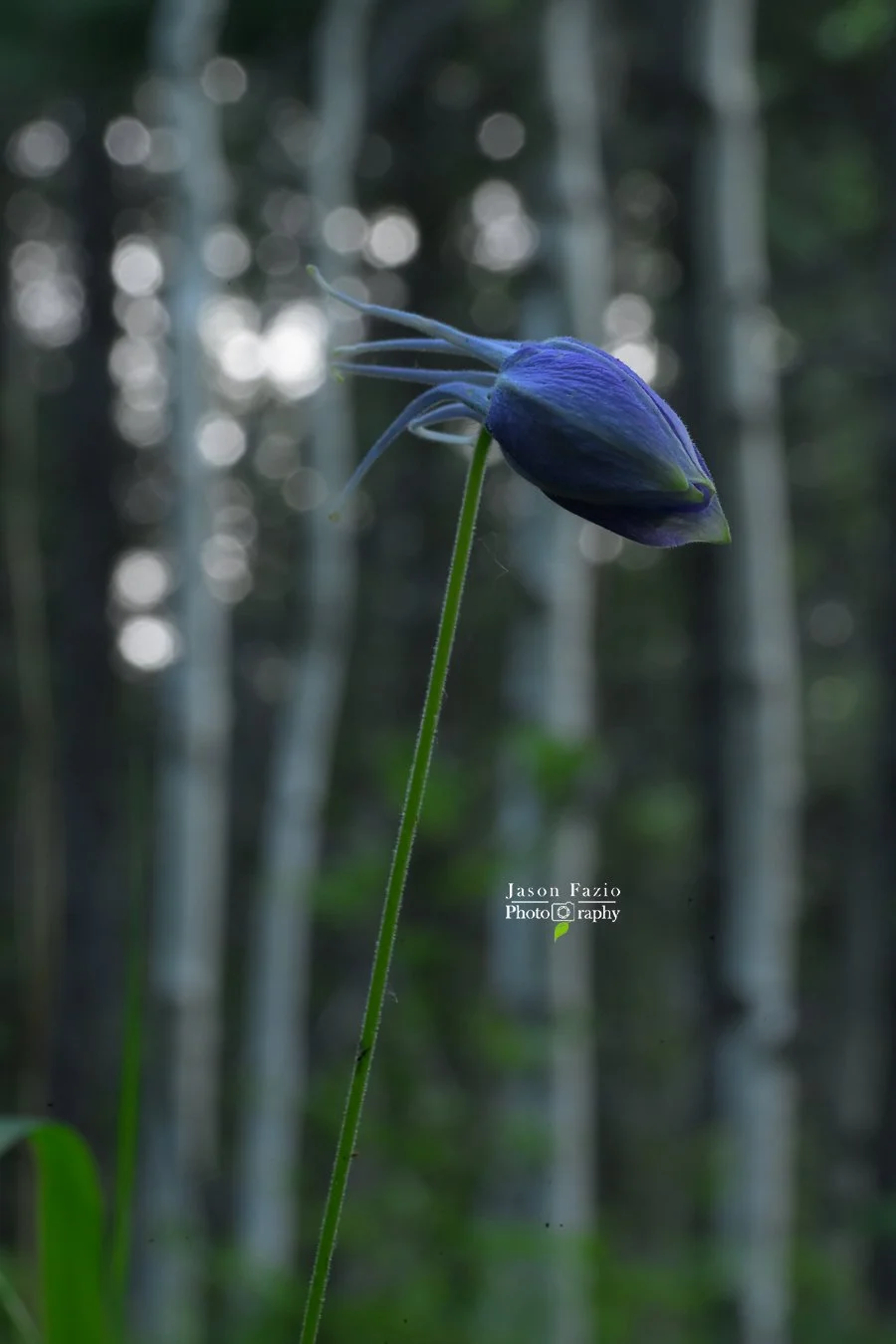
To illustrate what aperture does, I photographed this Blue Columbine bud six times from the exact same position, changing only the aperture. I intentionally left the shutter speed and ISO unchanged so you can see how aperture alone affects the image. In everyday photography, you would typically adjust the shutter speed, ISO, or both to maintain a consistent exposure.
These images are straight out of the camera with no editing.
The goal isn't to critique the composition or the subject. It's simply to show what changing one setting can do.
f/4
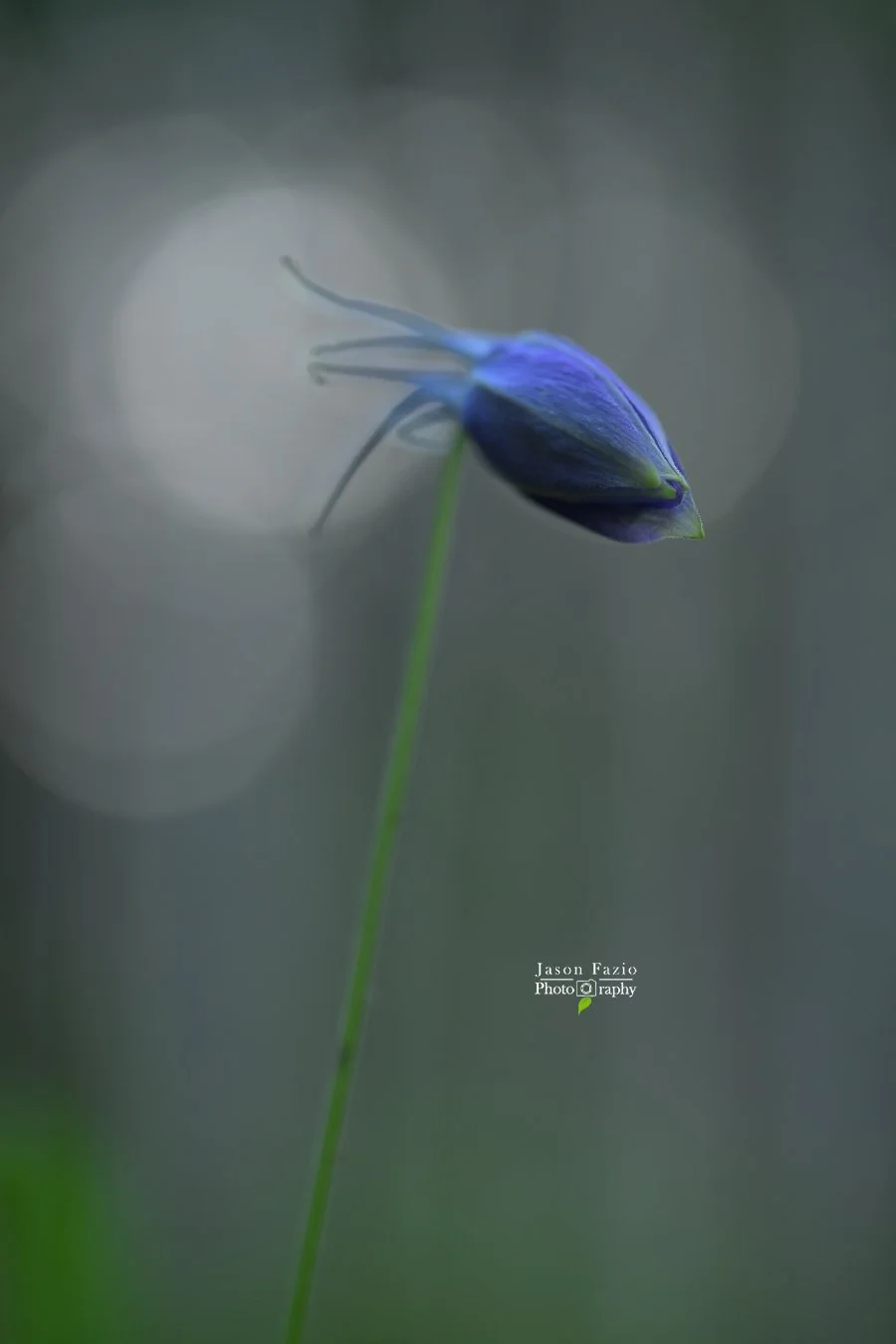
Aperture Setting: f/4
At f/4, the camera gathers a lot of light, producing the brightest exposure of the series.
Notice a few things:
Only a small portion of the flower is in focus.
The background melts into a soft blur.
The circles of light created by sunlight filtering through the aspens appear large and creamy.
The Aspen trunks almost disappear into the background.
This is the shallow depth of field that many photographers love for isolating a subject.
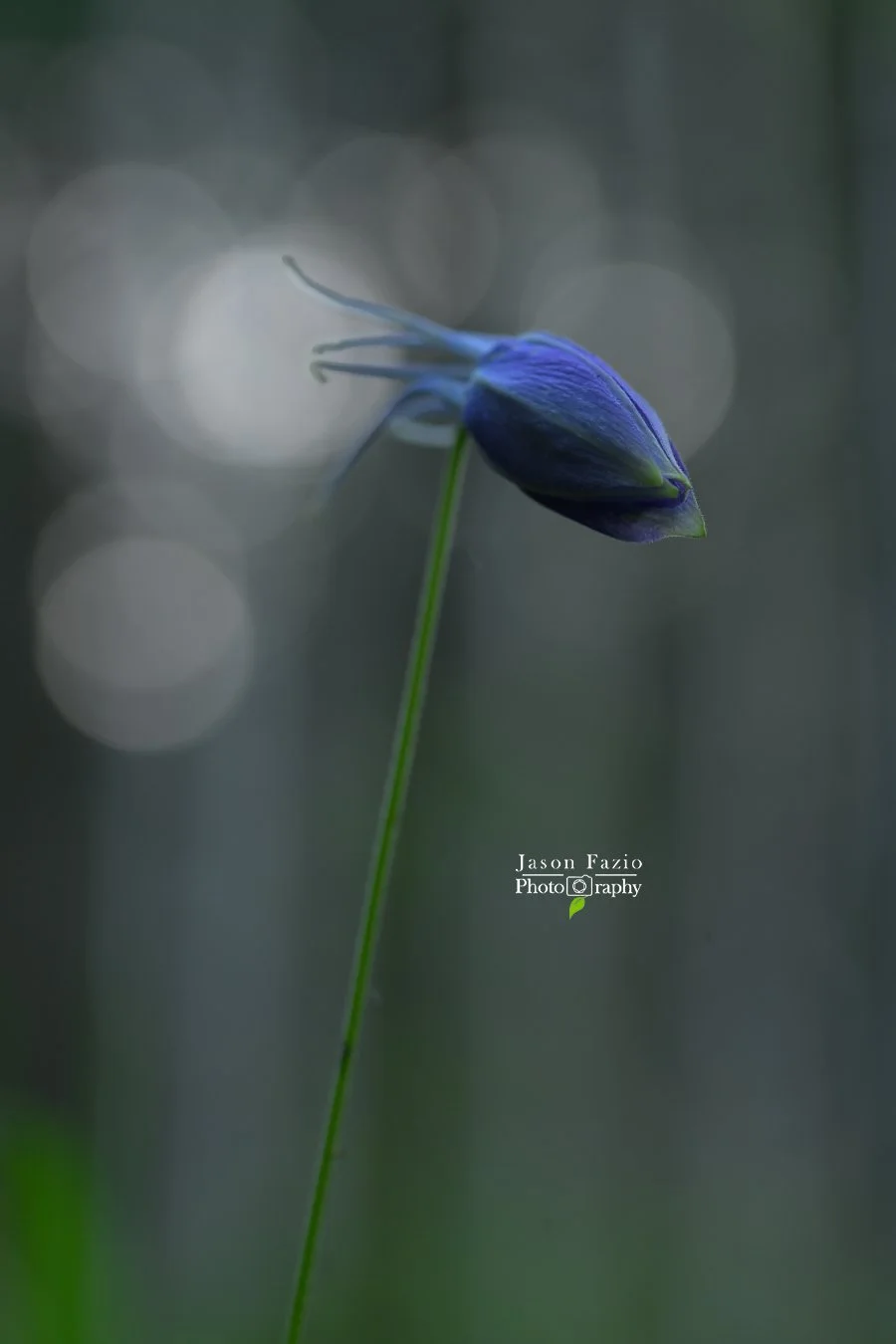
f/5.6
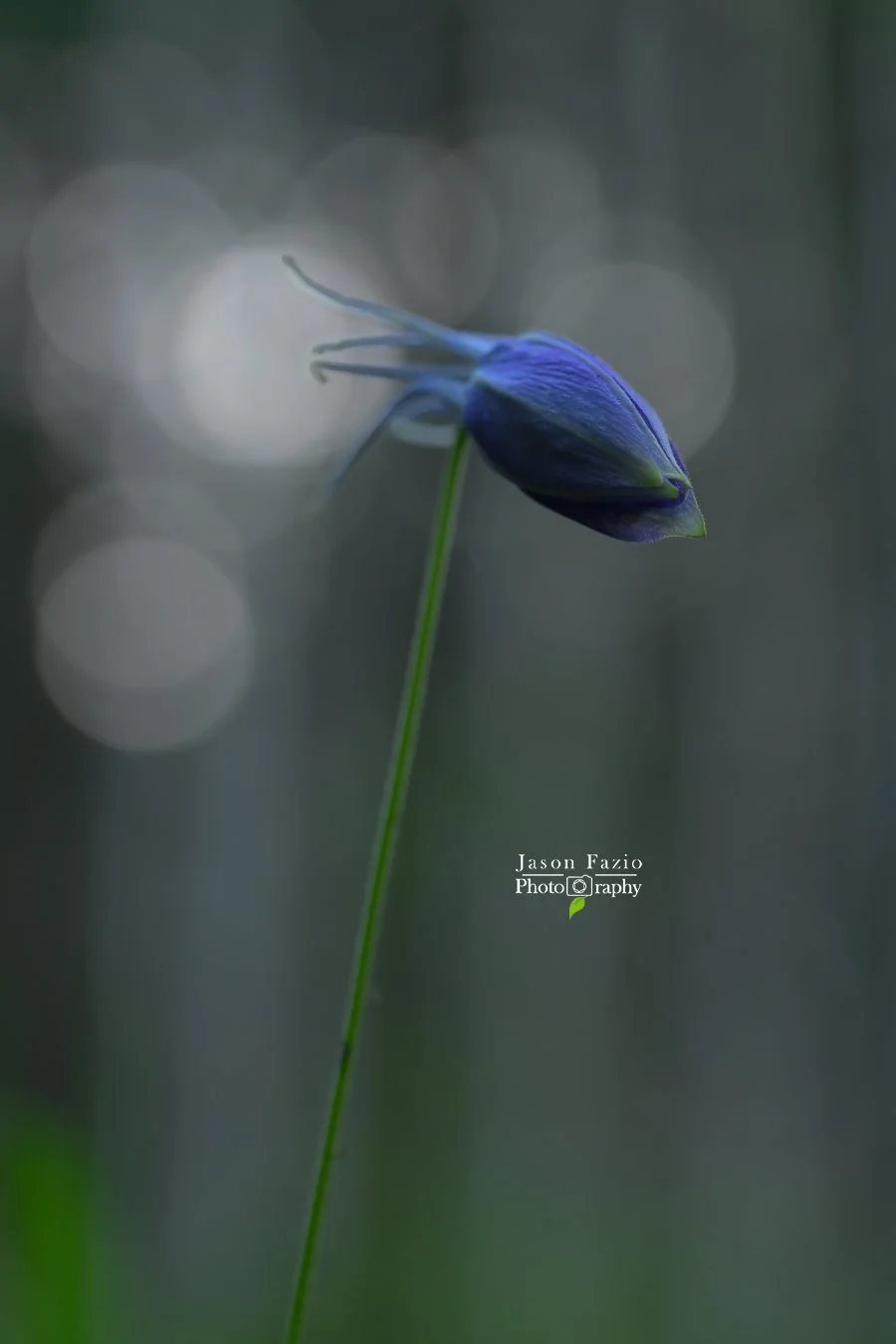
Aperture Setting: f/5.6
Closing the aperture one stop to f/5.6 doesn't dramatically change the image, but subtle differences begin to appear.
The flower has slightly more depth in focus.
The background remains pleasantly blurred, although the circles of light begin to shrink.
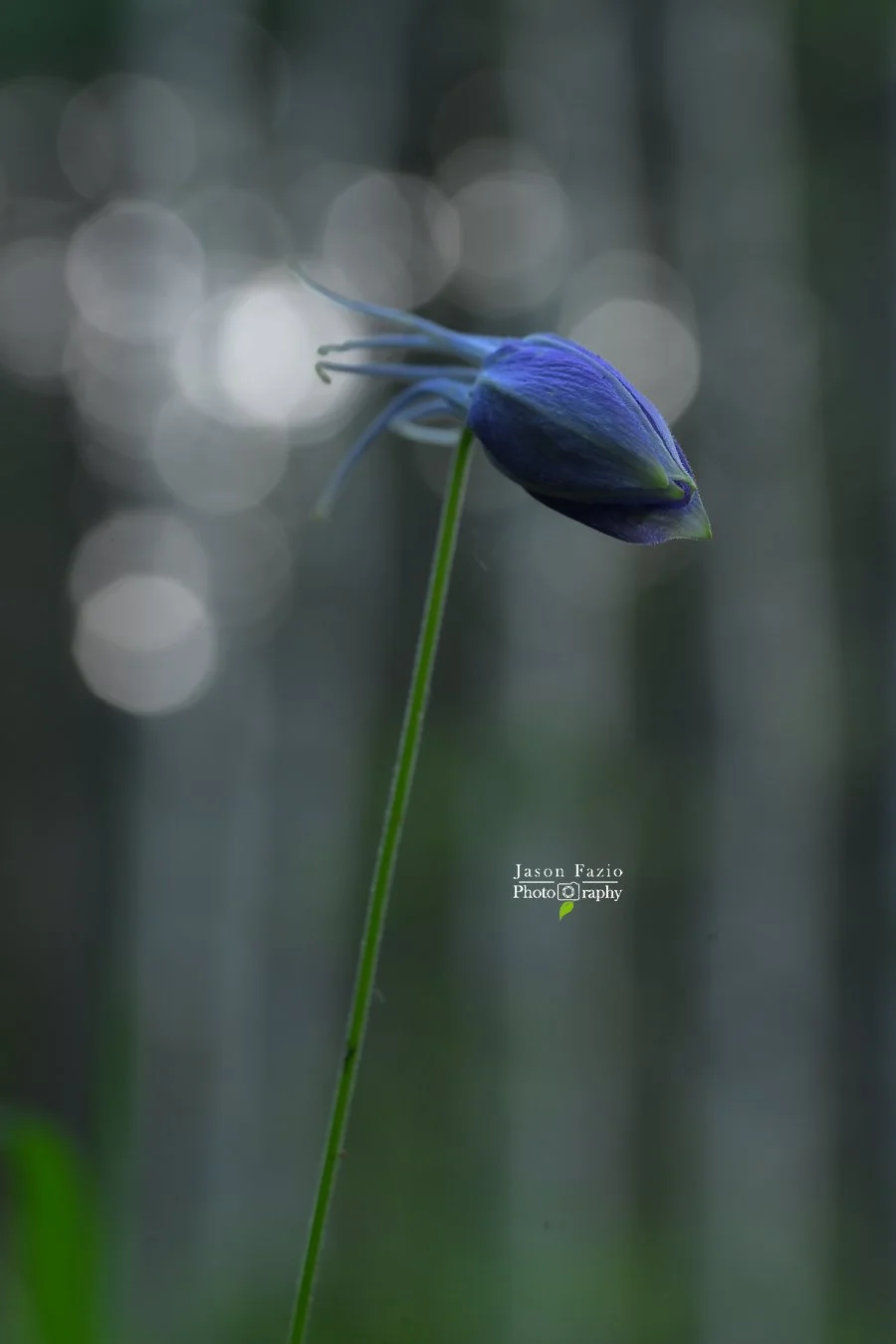
f/9
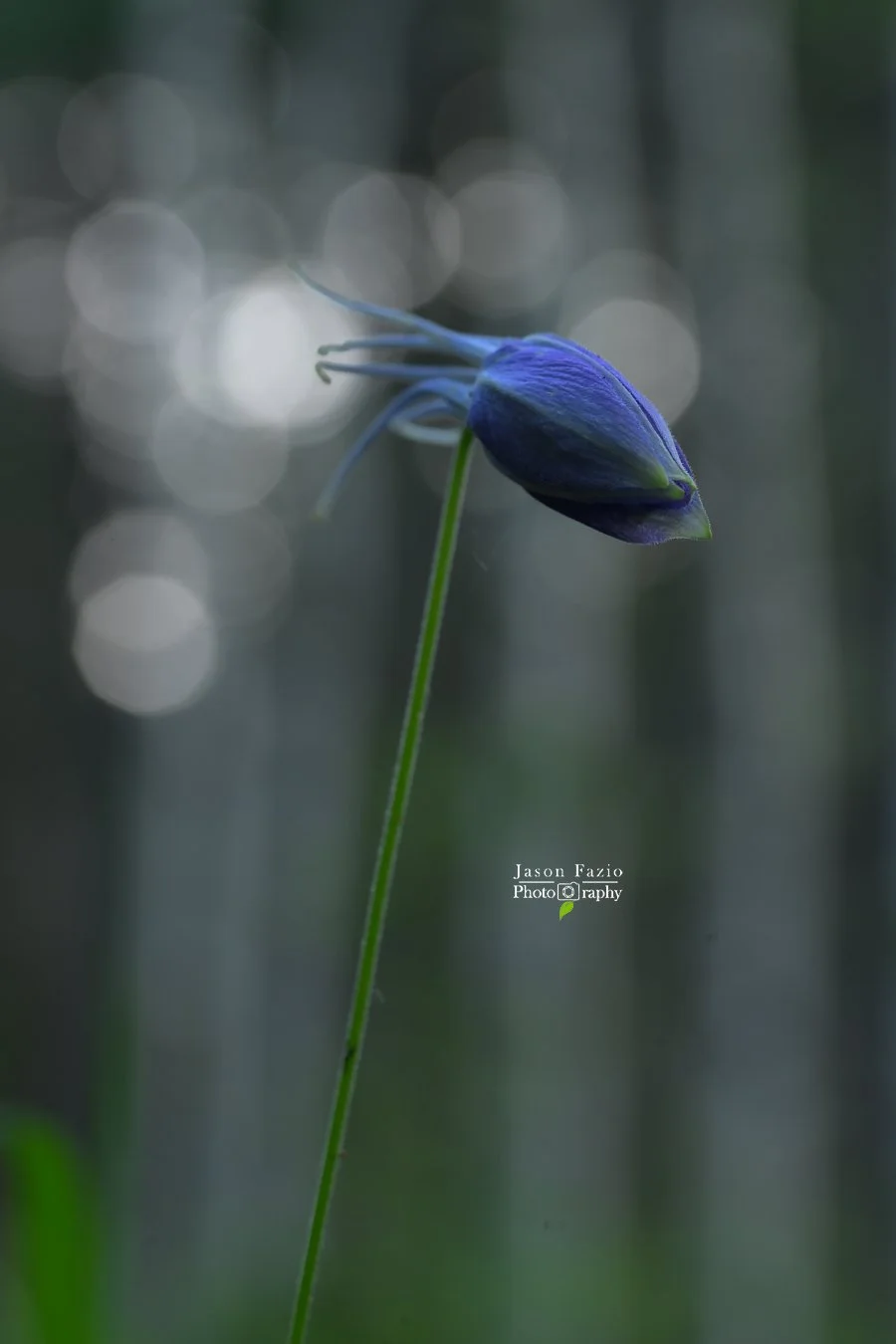
Aperture Setting: f/9
At f/9, the changes become easier to see.
More of the flower is acceptably sharp.
The Aspen trunks begin separating from the blur, giving the woodland a little more definition.
The background bokeh is still attractive, but no longer dominates the scene.
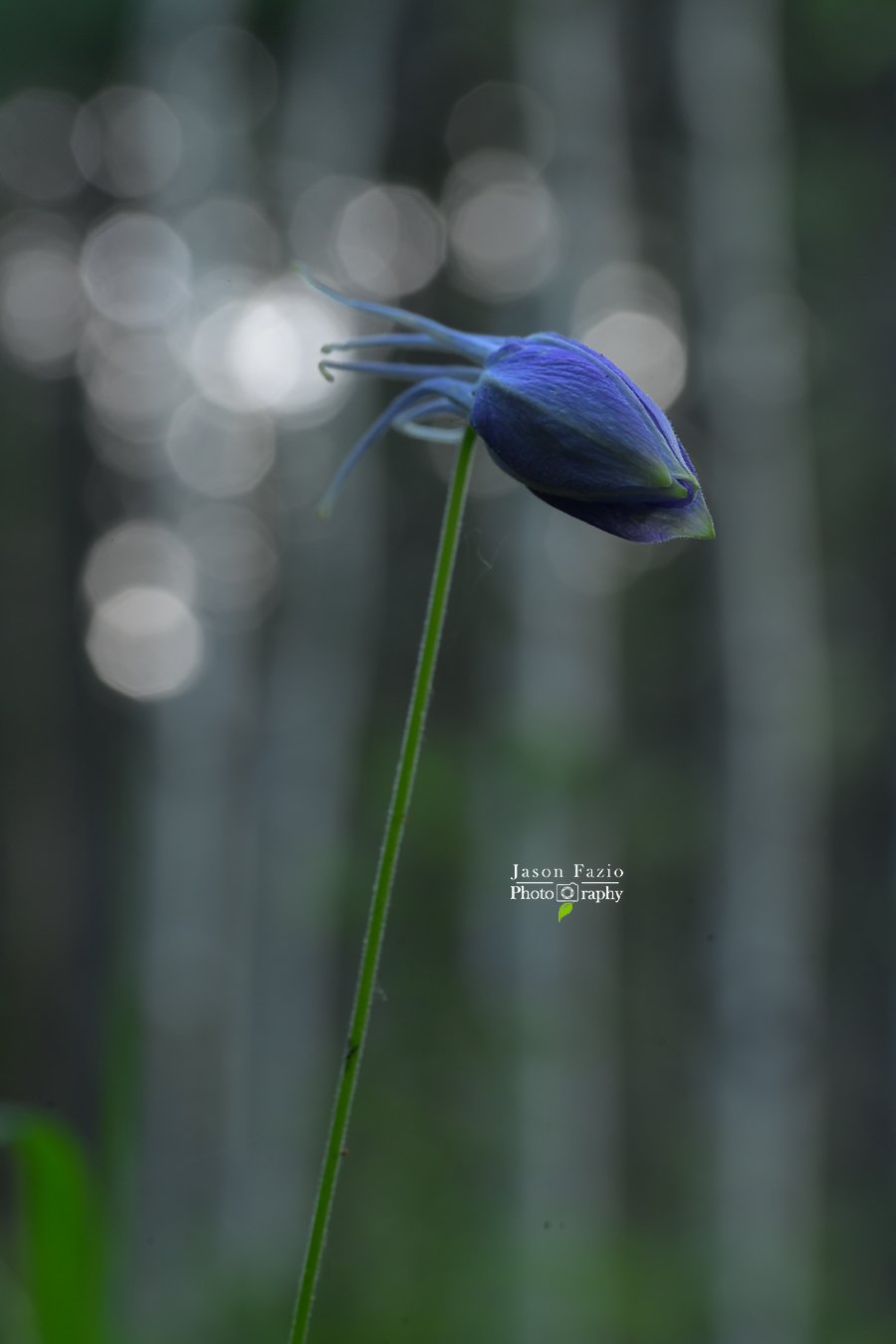
f/11
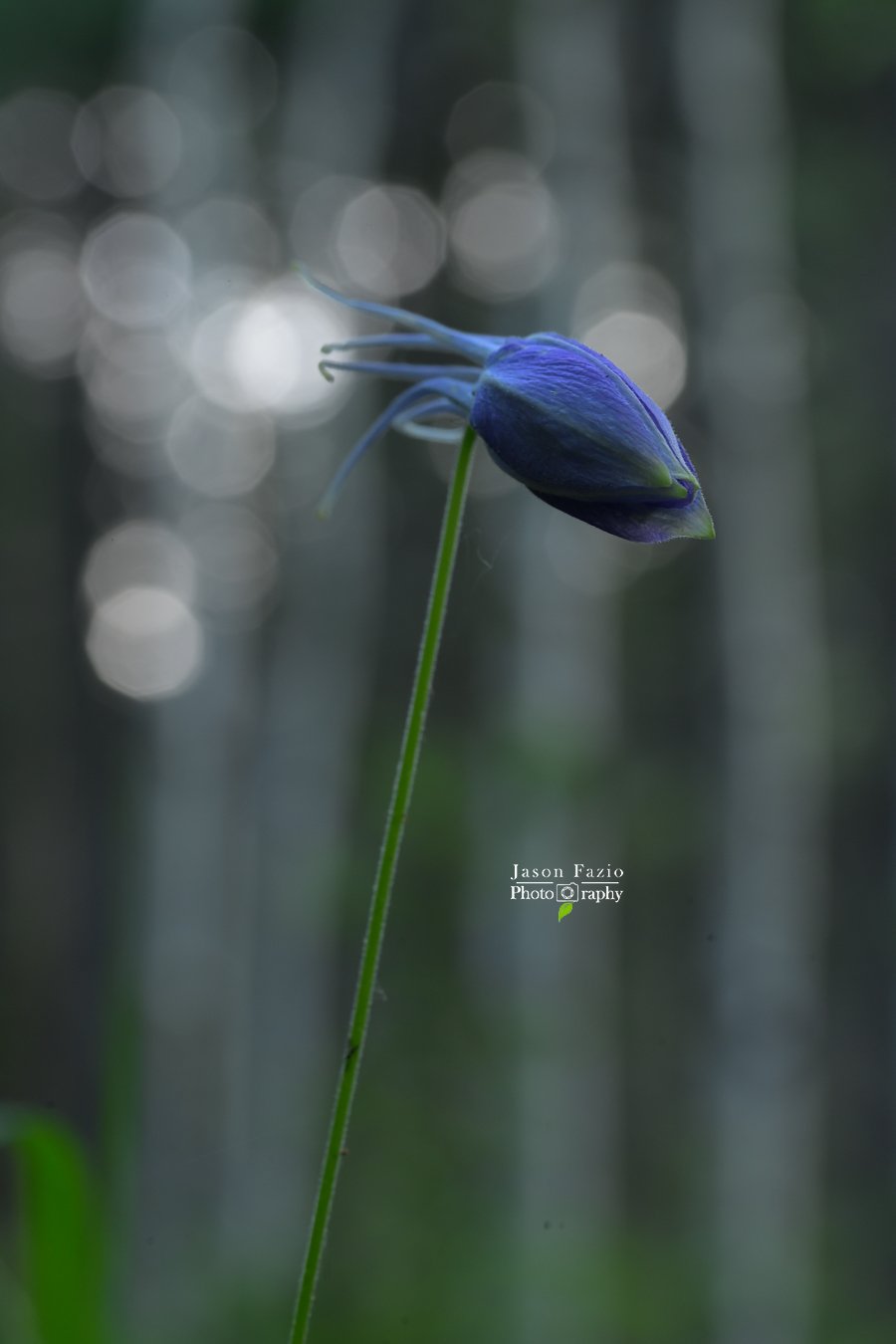
Aperture Setting: f/11
By f/11, depth of field has increased noticeably.
More of the flower remains sharp from front to back.
The Aspen grove continues to become more recognizable, and the circular highlights continue to shrink.
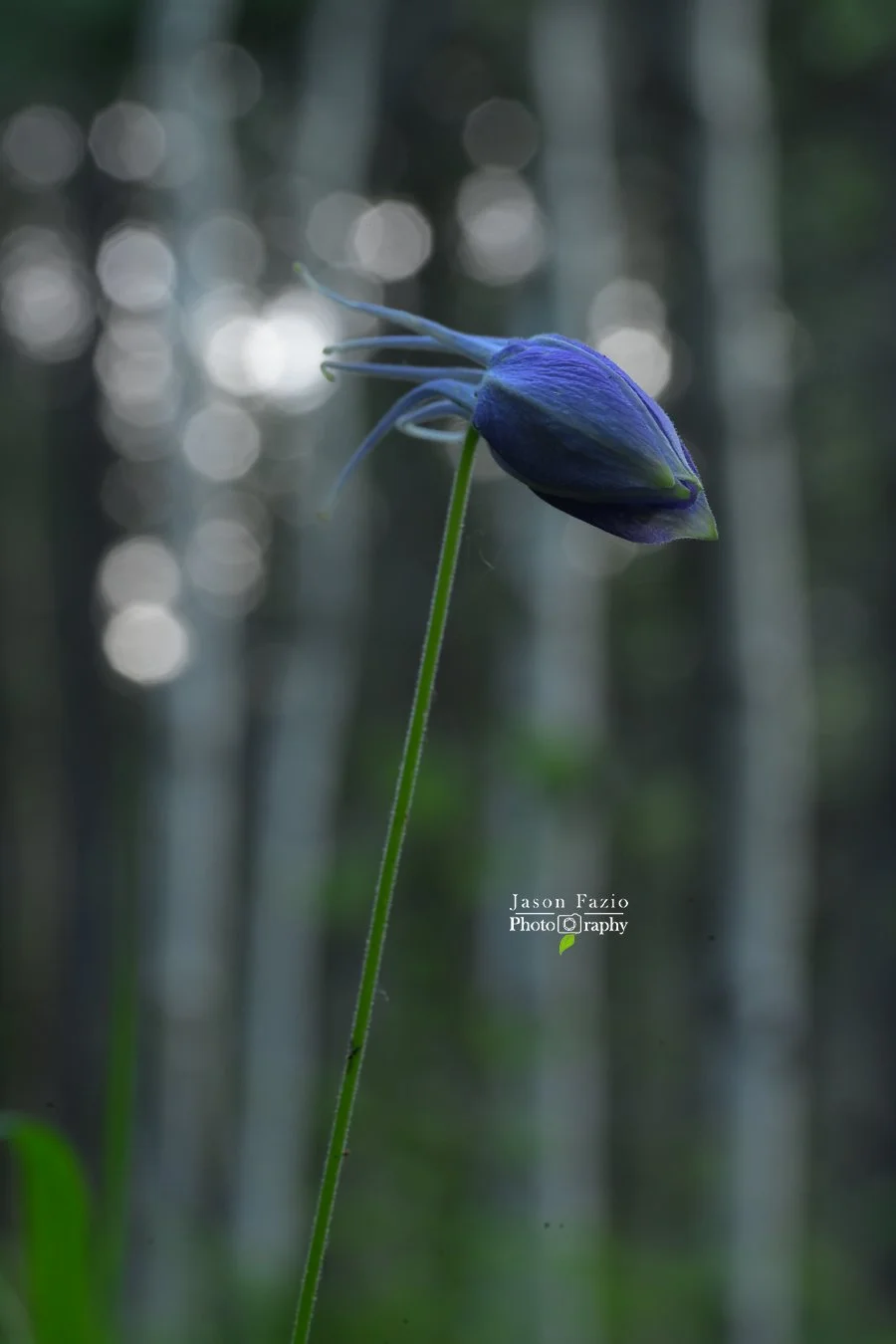
f/16
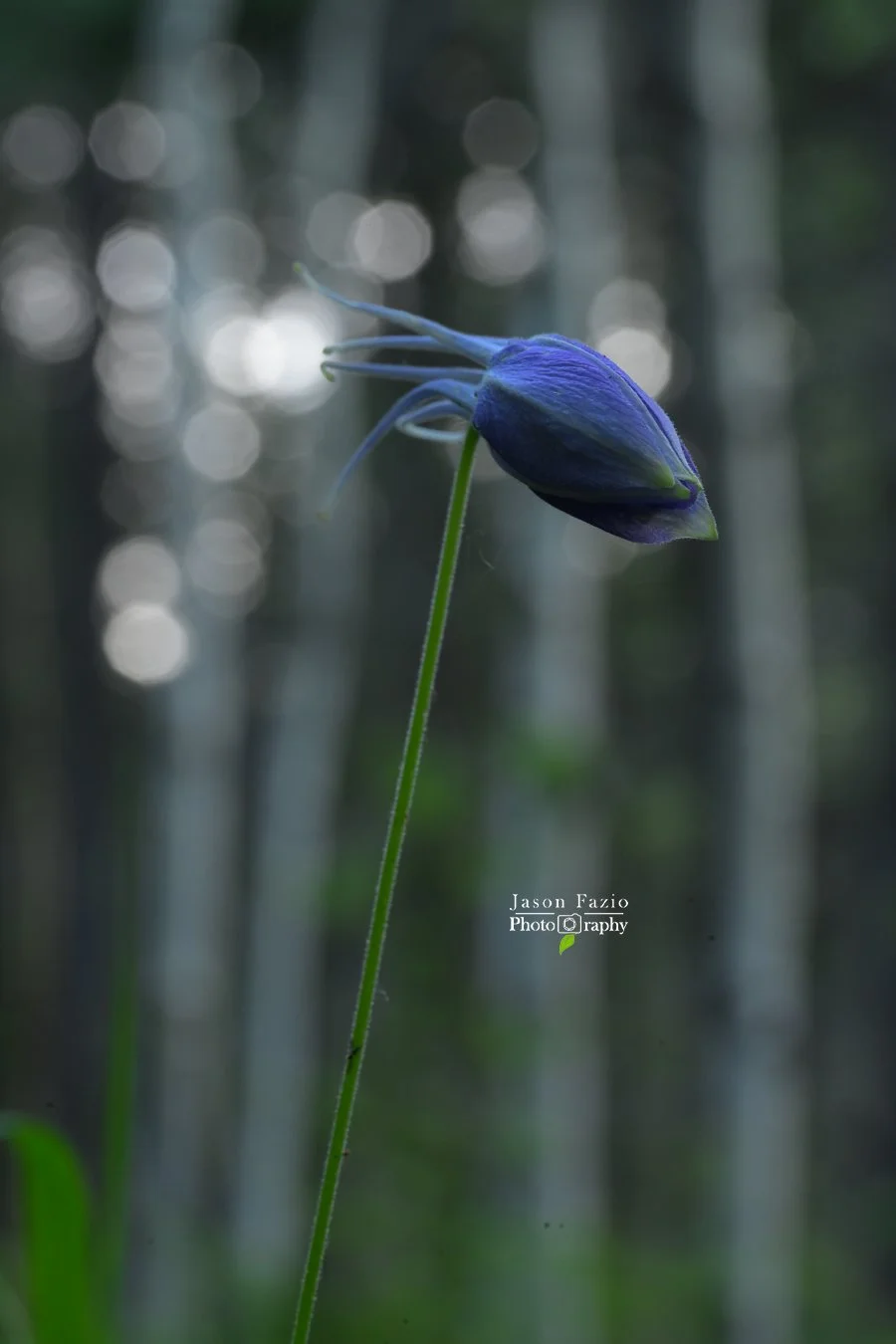
Aperture Setting: f/16
At f/16, much more of the scene falls within the depth of field.
The background is still out of focus, but now the viewer can clearly identify the Aspen trees rather than simply seeing soft shapes and colors.
The circles of light have become much smaller than they were at f/4.
f/25
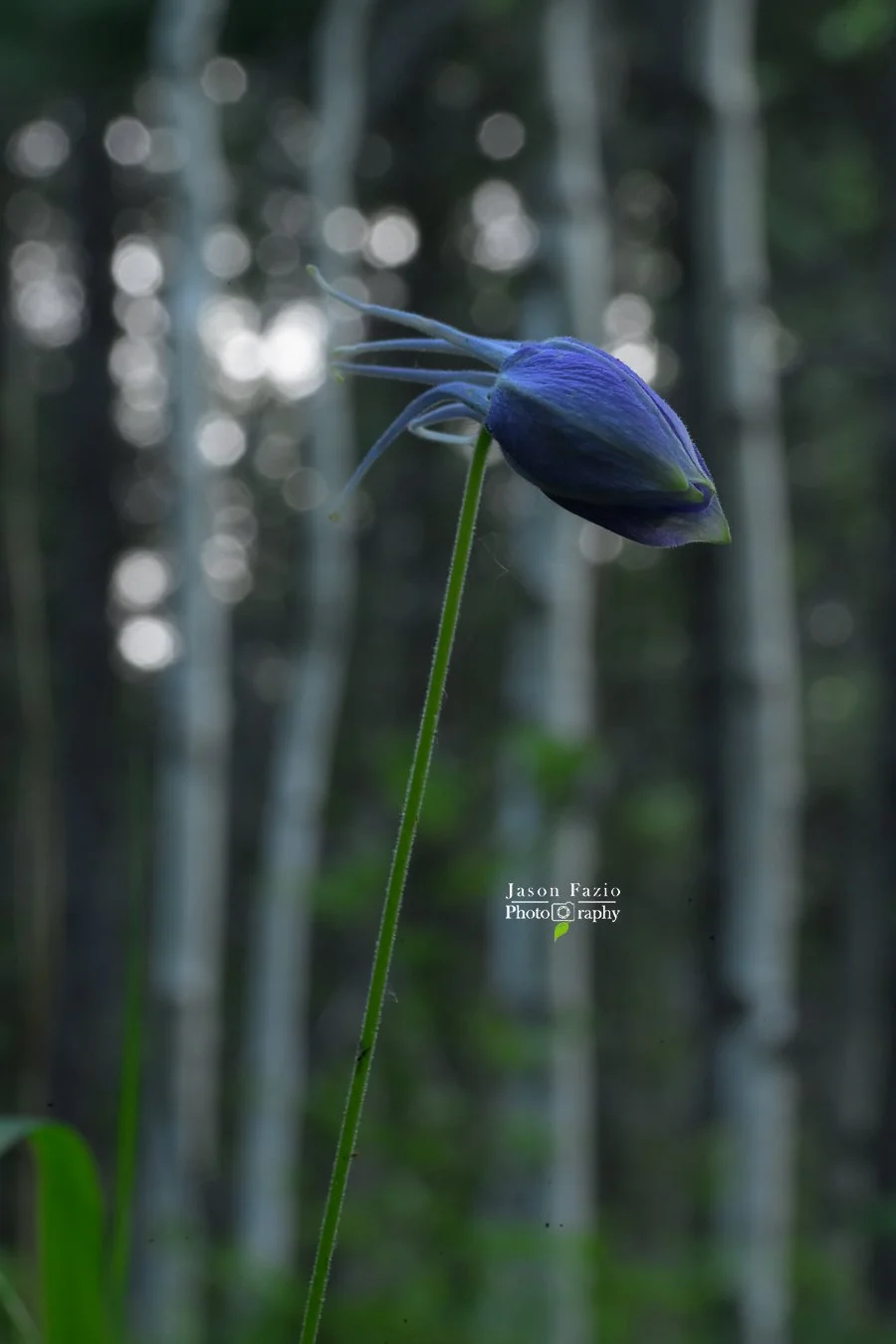
Aperture Setting: f/25
Finally, at f/25, the aperture is very small.
Notice several things:
The flower is sharp over a much greater area.
The Aspen woodland is considerably more recognizable.
The large creamy bokeh circles have mostly disappeared.
The overall image is significantly darker than the one taken at f/4.
Nothing about the light changed.
The only thing that changed was the size of the opening inside the lens.
What Aperture Really Changes
Changing aperture affects several characteristics of an image at the same time:
Brightness (unless shutter speed or ISO is adjusted to compensate)
Depth of field, or how much of the image appears in focus
Background blur
The appearance and size of out-of-focus highlights, often called bokeh
No aperture is "better" than another.
Each one simply creates a different look.
Sometimes I want the dreamy isolation of f/4.
Other times I want more of the scene in focus and choose f/11 or f/16.
Photography is often less about finding the "correct" setting and more about choosing the setting that tells the story you want to tell.
| Aperture | Result |
|---|---|
| f/4 | Brightest exposure, shallowest depth of field, largest bokeh |
| f/5.6 | Slightly more depth of field |
| f/9 | More of the subject sharp, background gains definition |
| f/11 | Good balance between subject and background |
| f/16 | Much greater depth of field |
| f/25 | Darkest exposure, greatest depth of field, smallest bokeh |
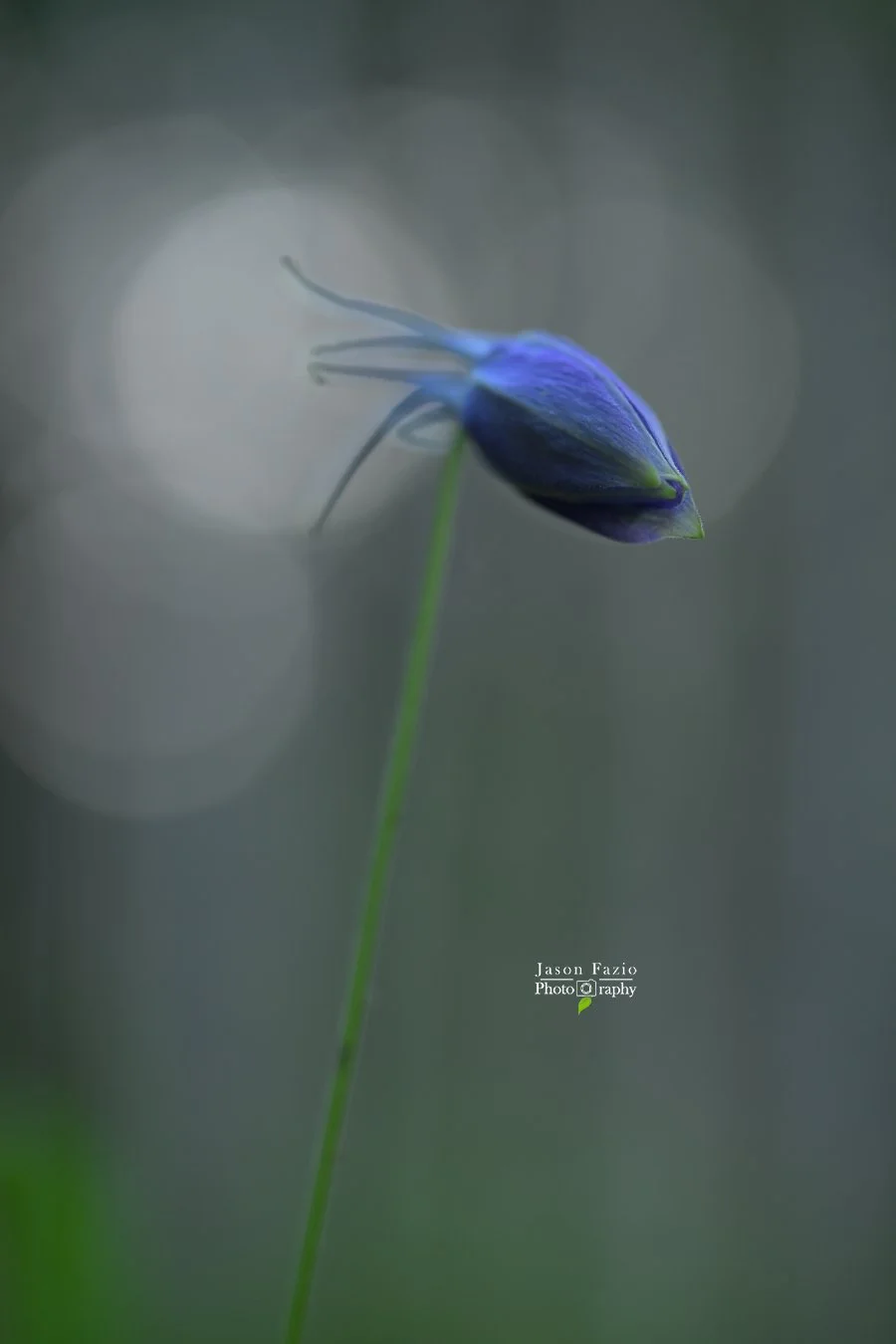
f/4
f/5.6
f/9
f/11
f/16
f/25
The best way to understand aperture isn't to memorize it. It's to try it. Find a stationary subject, keep your camera in the same position, and photograph it at several different apertures. Compare the images afterward. You'll begin to recognize when a shallow depth of field enhances a scene and when more depth of field tells the story better.