
Landscape Photography Training
Better photographs begin long before you press the shutter.
We all start somewhere. Landscape photography isn't something you learn in an afternoon, and it isn't something you master by memorizing a handful of camera settings. You build a foundation, practice what you've learned, and build from there.
My Landscape Photography Training is one-on-one and built around you. There is no cookie-cutter lesson plan. We start with what you already know, identify what you need to learn, unlearn, or become more confident doing, and focus our time there.
That might mean starting with the Exposure Triangle and understanding why you change a camera setting instead of simply knowing which dial to turn. It might mean spending an entire session working on composition. For a more experienced photographer, we might work on planning, changing light, advanced capture techniques, or understanding what's possible later in post-processing.
The camera is only part of the process. Planning matters. Light matters. Timing matters. Composition matters. What you capture in the field matters. And knowing what you can do with that information once you're back at the computer matters.
You don't need to learn everything at once.
You need a strong enough foundation to take the next step, the opportunity to practice it, and the tools to eventually realize the image you see in your mind.
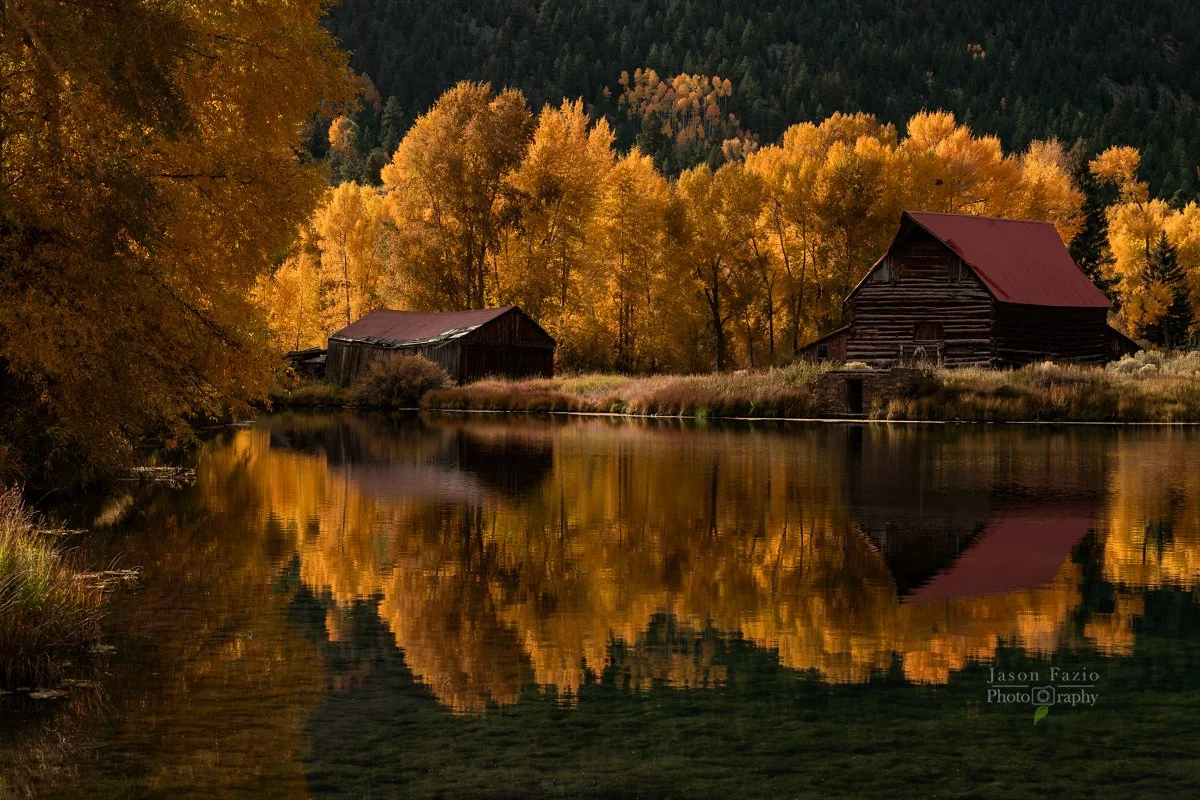
Learn the Why Behind the How
Knowing which setting to change is useful. Understanding why you're changing it is what allows you to make that decision the next time you're standing in front of a completely different landscape.
That's how I approach training.
I don't want you to leave a session knowing how I would photograph one particular scene. I want you to understand the decisions that went into photographing it. What is the light doing? What does the camera actually need to capture? What could change in the next five minutes? Is there a technical limitation we need to work around? And what do we need to bring home so the photograph can be finished later?
Sometimes the answer is technical. Sometimes it's composition, timing, planning, or simply recognizing what's happening in front of you.
Mother Nature rarely follows the plan. Understanding the why gives you the ability to react when she doesn't.
Not sure where your training should begin?
Take the Photography Training Self-Assessment. There’s no score, and you don’t need to know what you need help with before you start.
In the Field or On the Computer
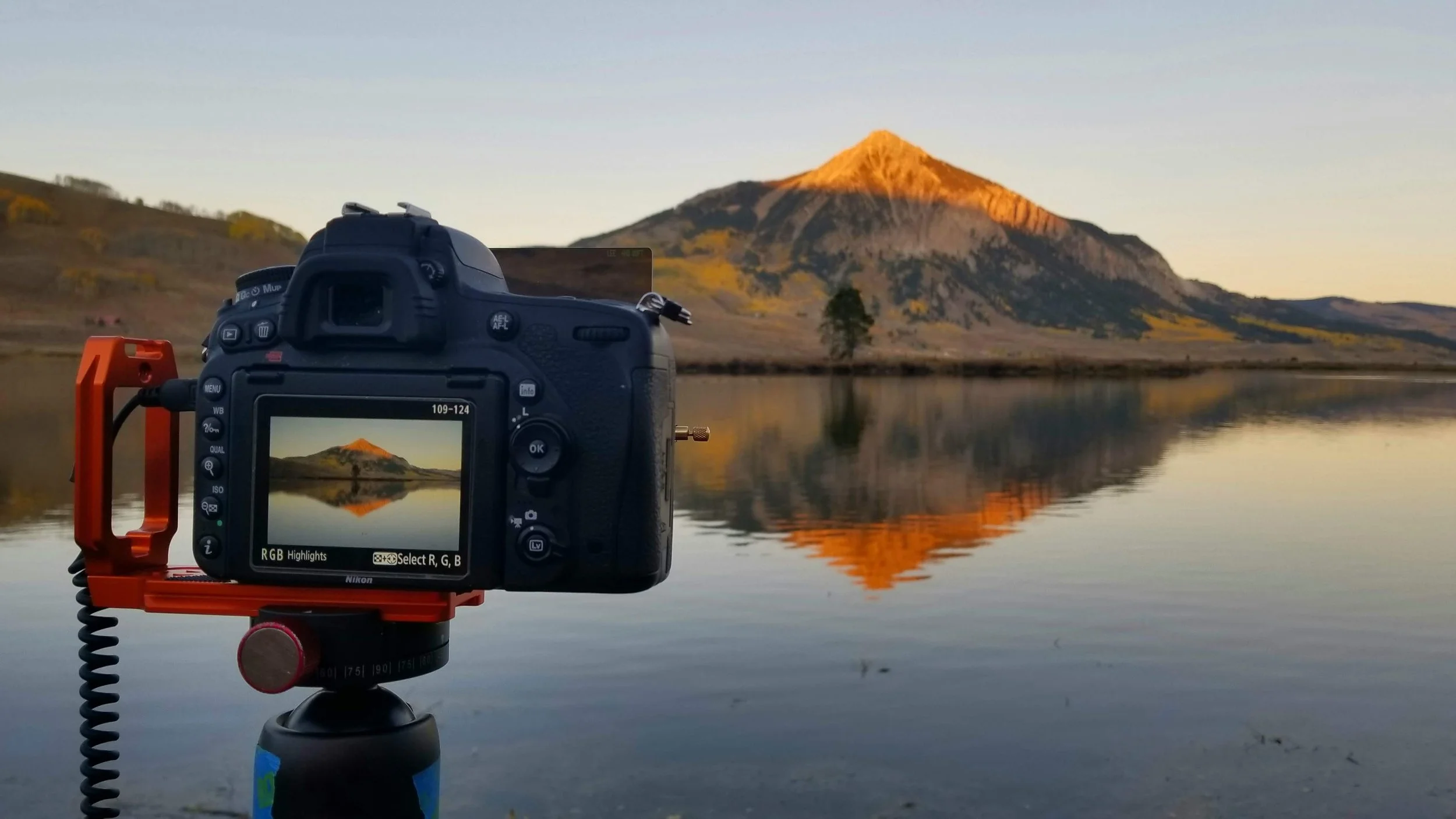
Work through composition, exposure, focus, camera technique, panoramas, focus stacking, changing light, and the decisions that happen before and behind the camera.
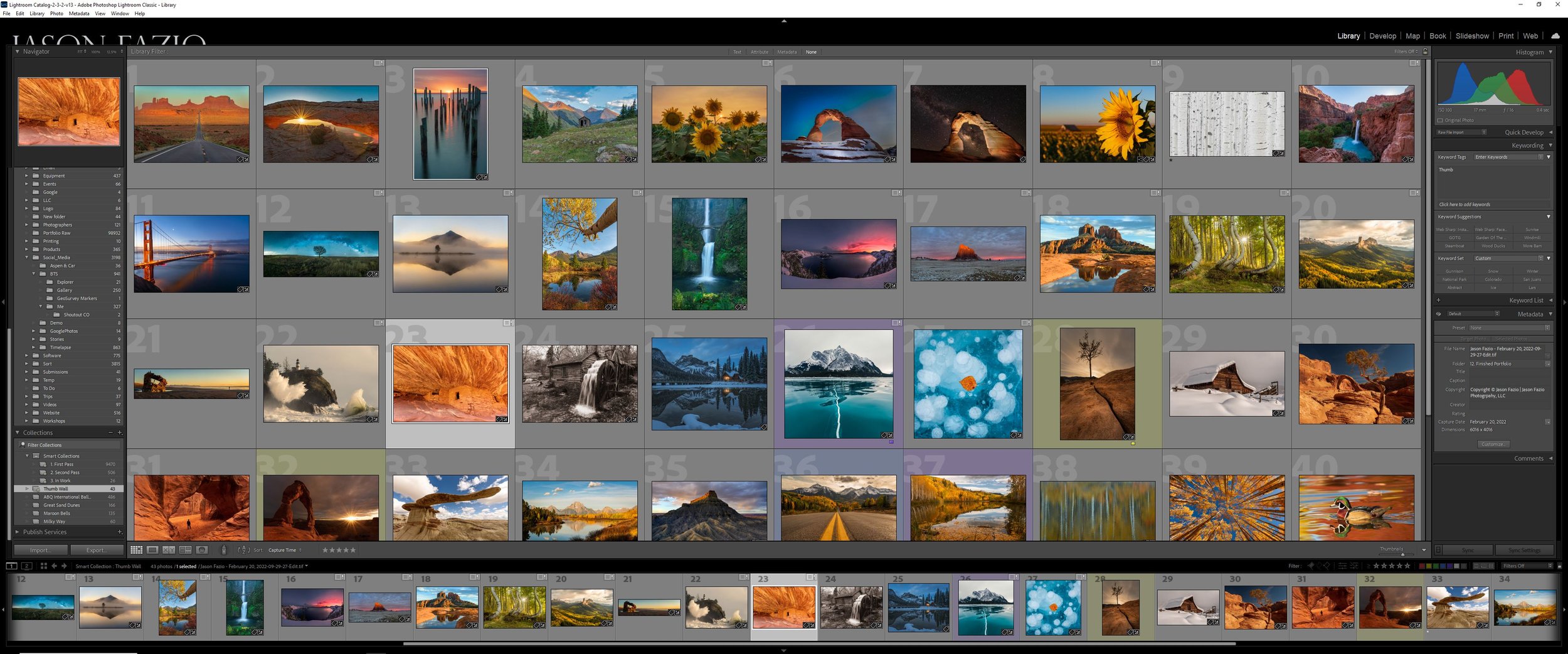
Bring your images to the computer and work through Photoshop, panoramas, focus stacking, blending, workflow, processing decisions, and the techniques used to turn your captures into finished photographs.
Half Day or Full Day?
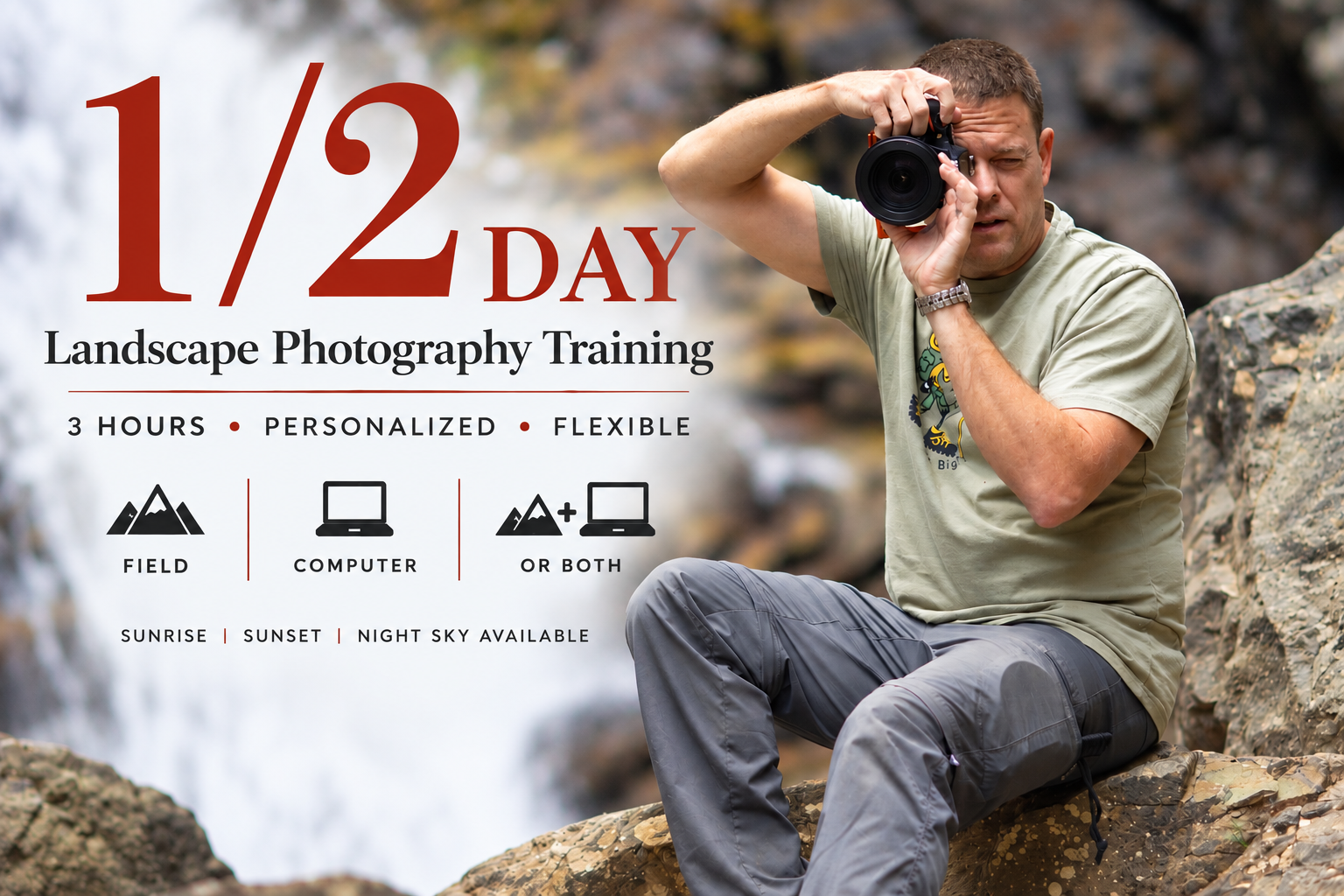
A focused session for photographers who want to work on a particular skill, technique, location, or part of their workflow.
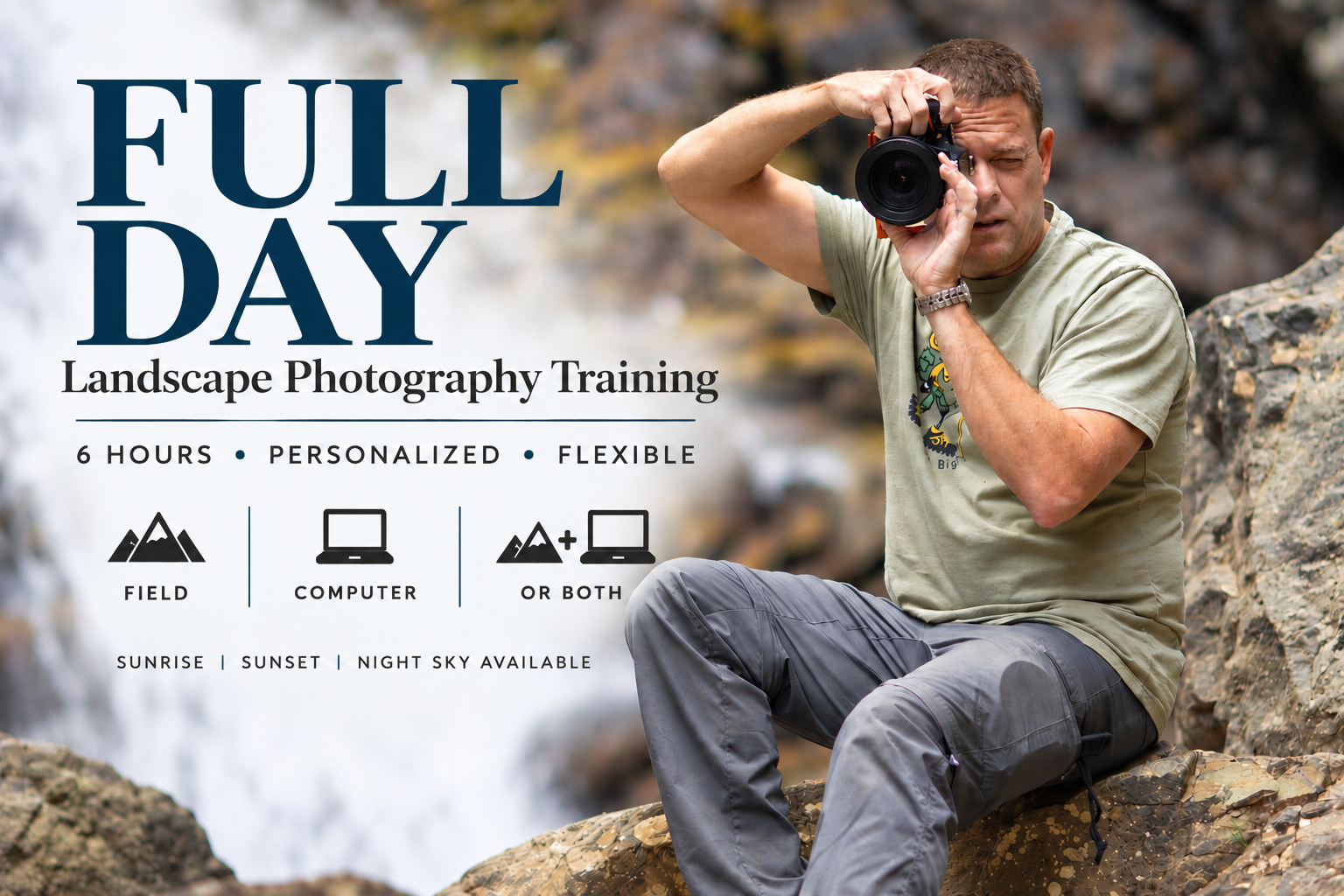
More time to work through multiple skills, locations, conditions, or stages of the photographic process without watching the clock quite so closely.
Build the Training Around You
Possible topics:
Composition
Exposure
Camera Settings
Working With Light
Focus & Depth of Field
Panoramas
Focus Stacking
Tripod Technique
Photoshop
Image Blending
Post-Processing
Workflow
Don't see what you're looking for? Ask. One-on-one training gives us the flexibility to concentrate on the parts of landscape photography that matter most to you.
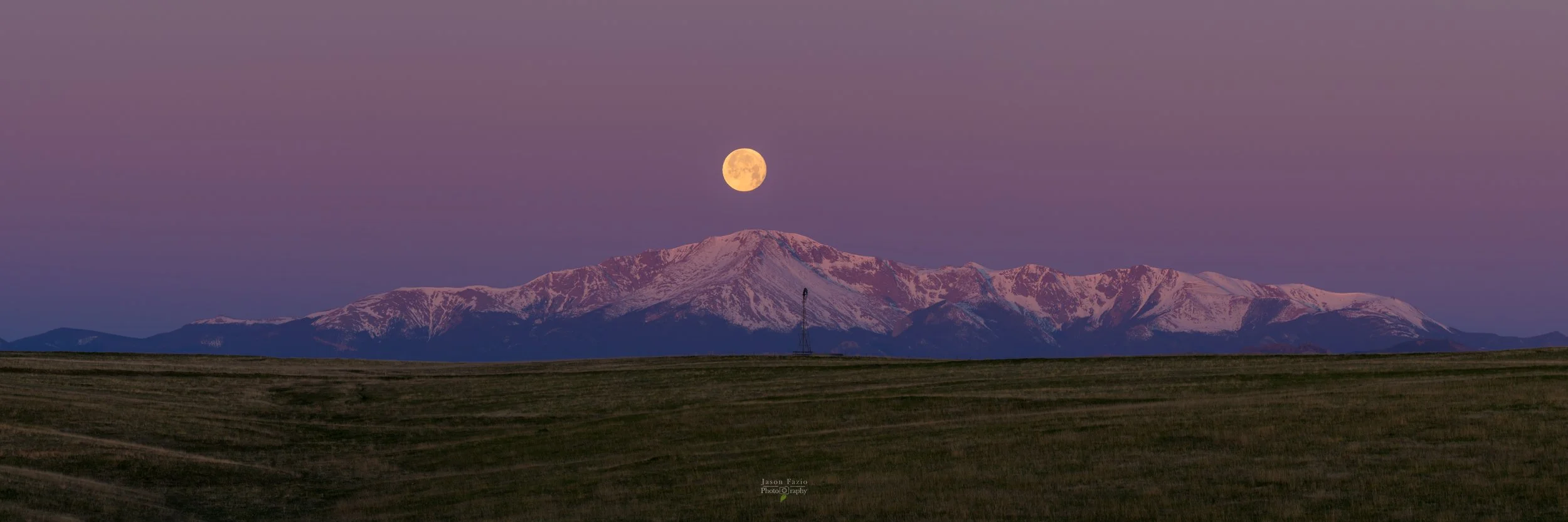
Landscape Photography Training in Colorado
Based in Monument, Colorado, I offer in-the-field landscape photography training throughout the Colorado Springs area and beyond. Where we go depends on what you want to learn, the season, conditions, accessibility, and the photographs we're hoping to make.
Colorado gives us plenty to work with. Mountains, plains, forests, wildflowers, changing weather, dark skies, and dramatic light can all become part of the classroom.
Meet Jason
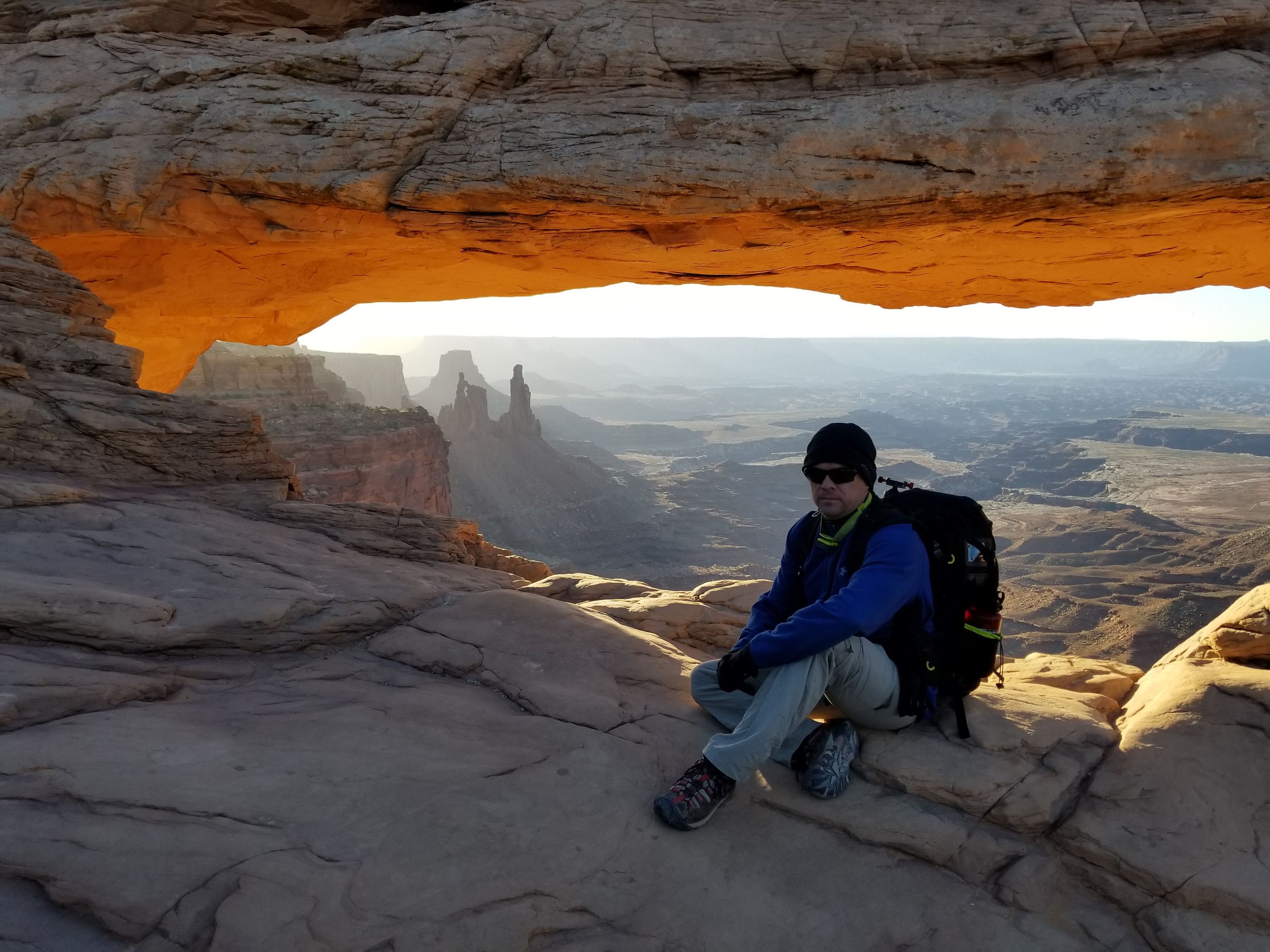
I've spent roughly a decade behind a camera and much longer teaching, evaluating, troubleshooting, and solving problems.
Before retiring from the Air Force, I worked as an F-16 mechanic, earned a degree in Mechanical Engineering, became an officer, and later worked in military space operations flying GPS satellites. Along the way, I also served as an instructor and evaluator.
That background still shapes the way I teach photography today. I like breaking complicated ideas into understandable pieces, finding the part that's actually causing someone trouble, and building from there.
My goal isn't to teach you to photograph like me. It's to give you the tools to realize the image you see in your mind.
Not Sure Which Training Is Right for You?
You don't need to know whether you need a half-day, full-day, field session, or computer session before reaching out. Tell me a little about your photography, what you're comfortable with, and what you'd like to improve. We can figure out the rest from there.
Explore Landscape Photography Training
Explore available training options along with field lessons, techniques, ideas, and articles designed to help you become a more deliberate landscape photographer.
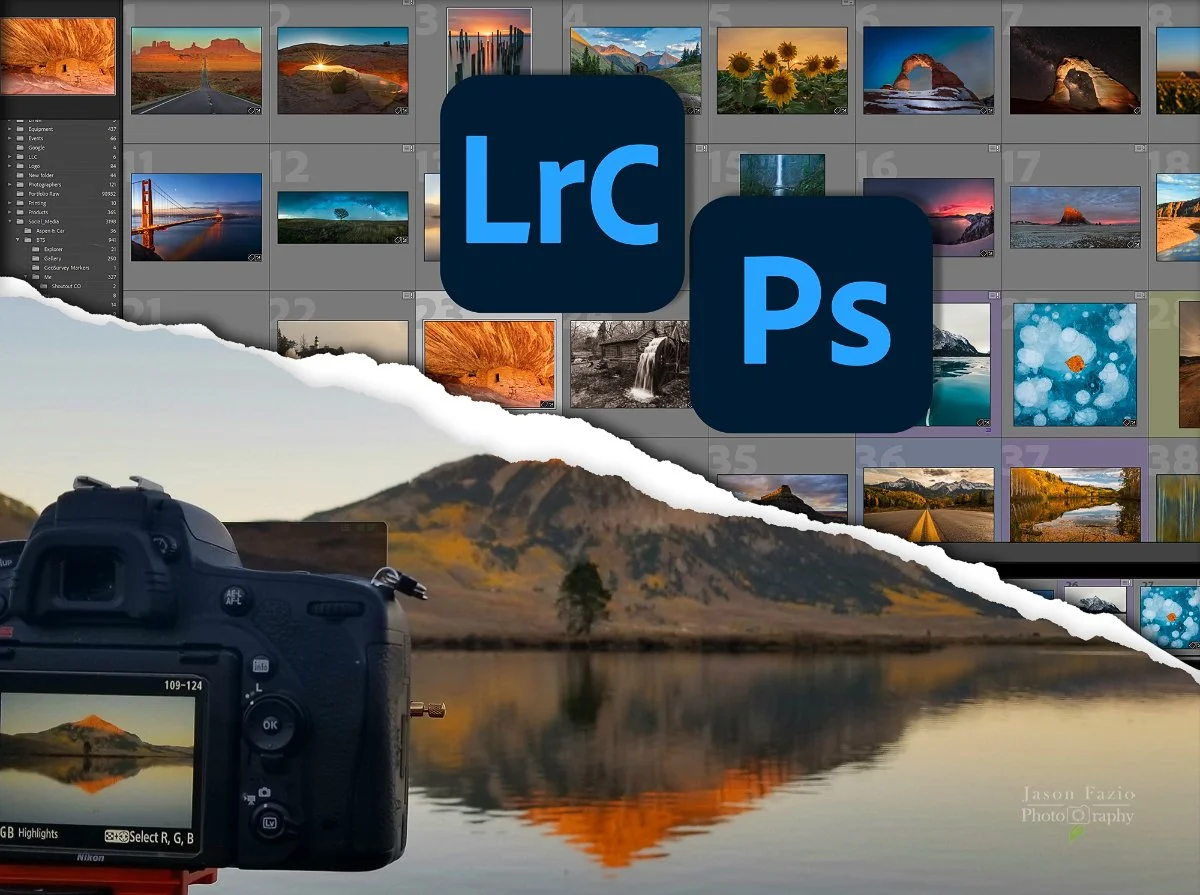
From Field to Finished Photograph
Learn the entire photographic process from field to finished image. Combined Landscape Photography Training connects capture, technique, and post-processing in one personalized session.
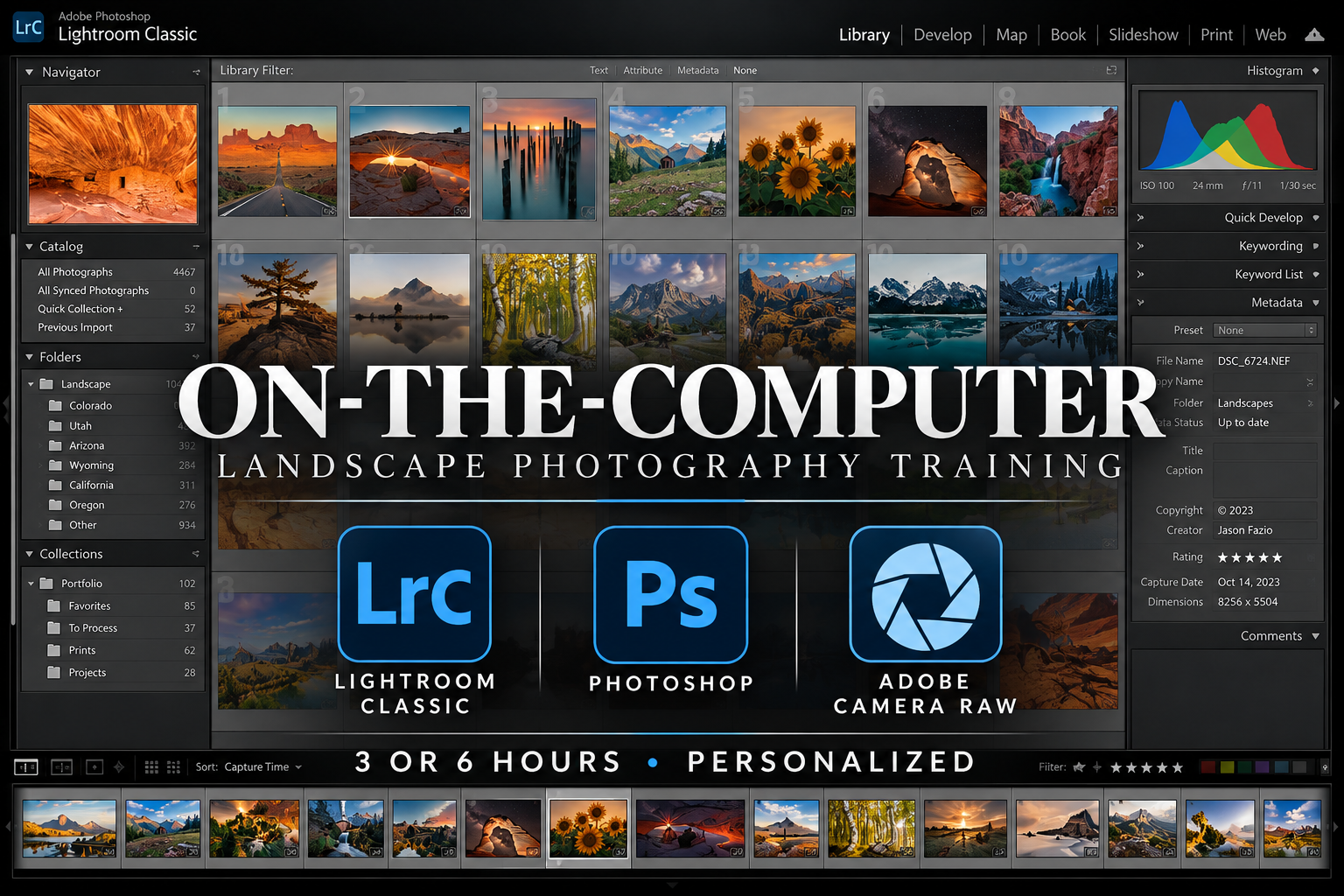
On-the-Computer Landscape Photography Training
Personalized post-processing training built around what you want to learn. Work one-on-one with Lightroom, Adobe Camera Raw, Photoshop, panoramas, focus stacking, blending, printing, and more.
In-the-Field Landscape Photography Training
Personalized landscape photography training built around what you want to learn. Work one-on-one in the field on composition, camera technique, planning, panoramas, focus stacking, light, and more.
Full-Day Landscape Photography Training
Six hours of personalized landscape photography training with time to learn, practice, evaluate, and refine. Work in the field, on the computer, or combine both around your photography goals.